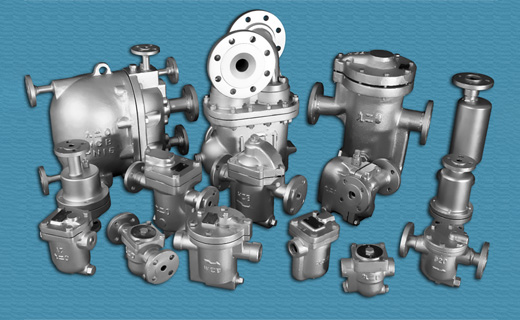
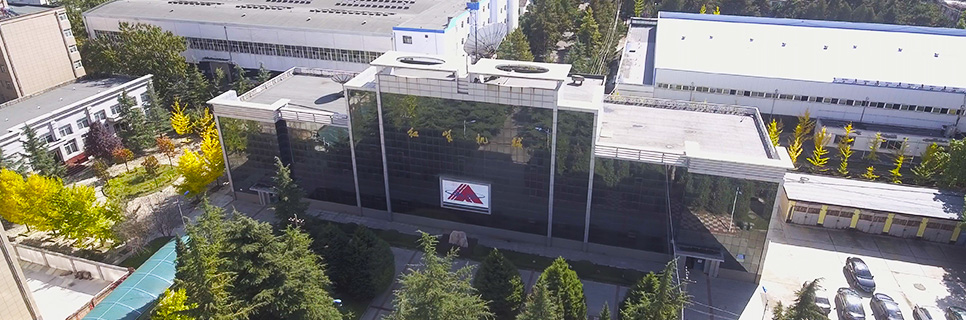
Gansu Hongfeng Machinery Co., Ltd., located in Pingliang City, Gansu Province, is a high-tech enterprise restructured and reorganized from the large-scale second-class military enterprise, the state-owned 920 Factory. It specializes in the research, development, and manufacturing of energy-saving products such as drain valves and condensate water recovery devices.
In the course of specializing in the production of energy-saving products and energy-saving devices such as traps and condensate recovery devices, "Hongfeng" takes the revitalization of the national equipment manufacturing industry and the creation of a national brand of traps as its own responsibility, closely tracks the development trends of science and technology and production trends, adheres to the technological innovation strategy of "no one has me, no one has me, no one has me, and I am new", and has realized the transformation from technology introduction, reference and absorption to independent innovation and independent development.
Based on the strict requirements of the steam system for the reliability, stability, durability and safety of pump and valve equipment, the company has established a complete set of quality assurance and control systems including procurement management, production control, performance verification, quality inspection, after-sales service, etc., and wholeheartedly escorts high-quality products.
We always respect and love our customers, and regard them as friends and siblings, and dedicate perfect services with a grateful heart, because customers are the pillar and source of our career success.

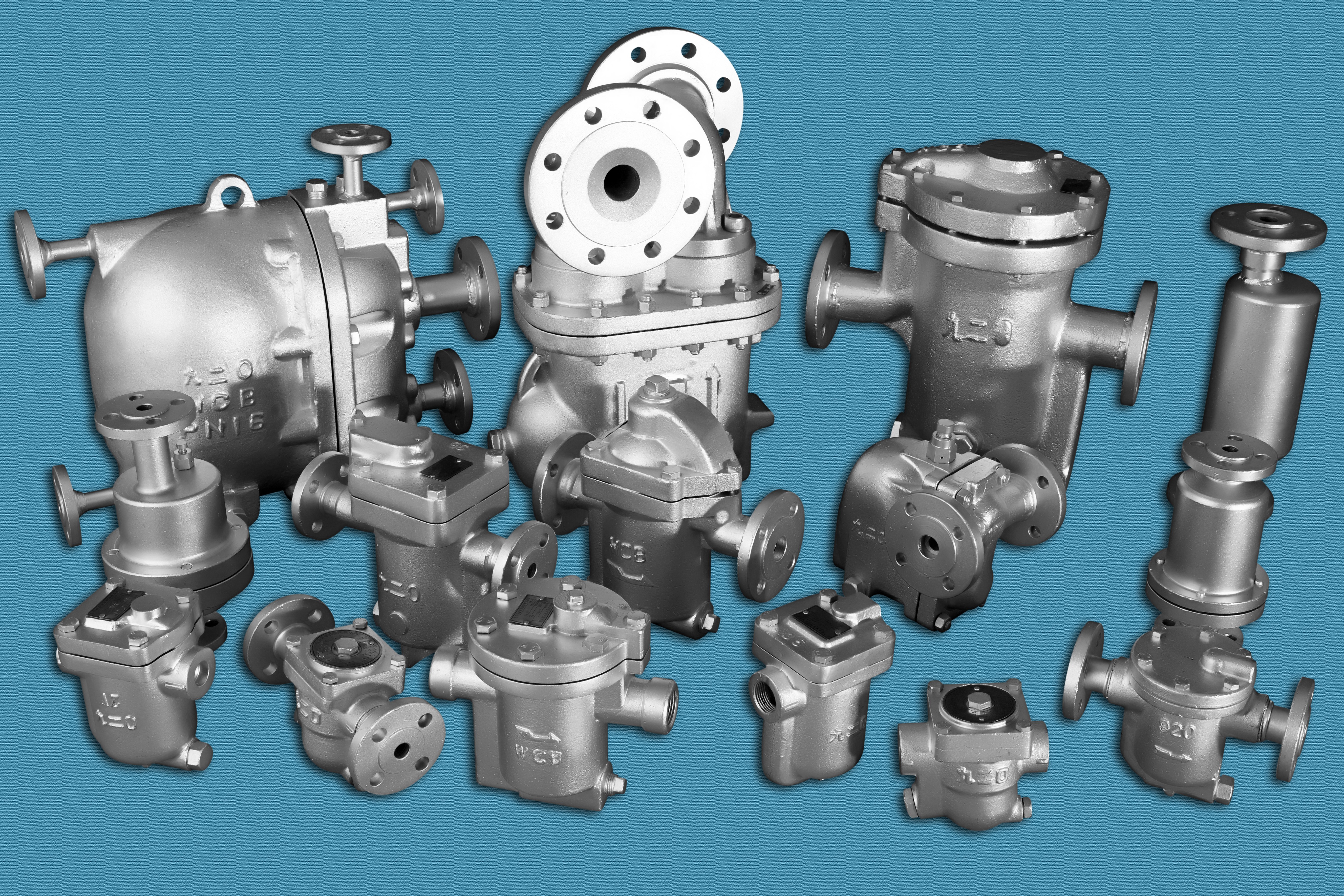
Mechanical steam traps
Mechanical traps operate on the density difference between condensate and steam, using condensate level changes to move the float and actuate the valve disc for steam sealing and condensate discharge. These traps feature low subcooling and are minimally affected by pressure and temperature variations. They discharge condensate promptly, helping to prevent accumulation in heating equipment and support efficient heat transfer, making them suitable for a wide range of production processes.
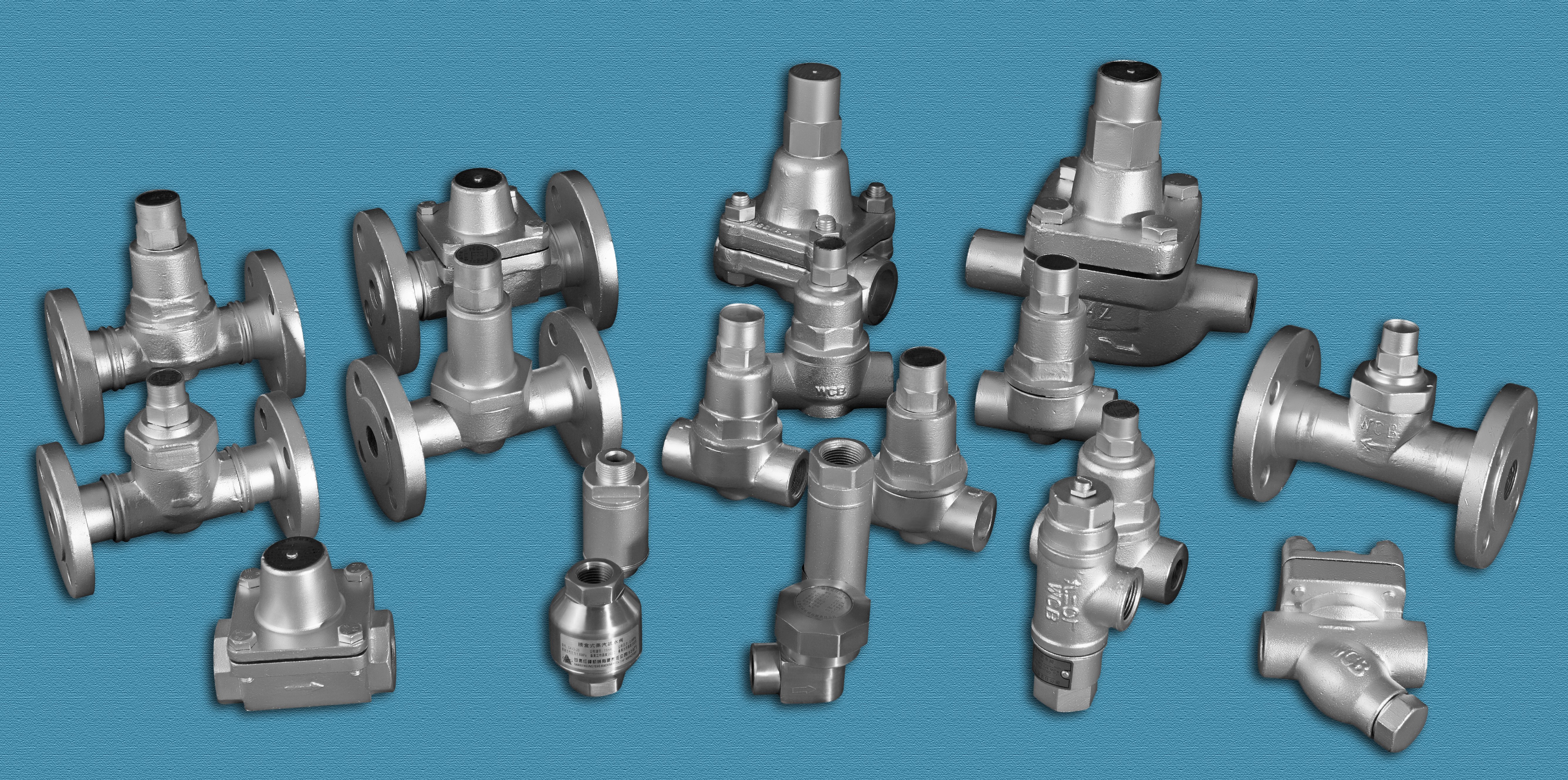
Hot-statical Force Steam Trap
Thermostatic steam traps typically consist of a valve body, bonnet, spring, piston, and sealing rings. They operate on the principle of thermal expansion and the characteristic that water expands more rapidly than steam at elevated temperatures. A compression spring is mounted on the bonnet, with its lower end connected to the piston and the upper end to the bonnet. When the water level in the working medium exceeds the set point, water enters the valve body, pushing the piston upward and compressing the spring to close the valve. When the water level drops below the set point, the spring force pushes the piston downward, opening the valve to discharge condensate.
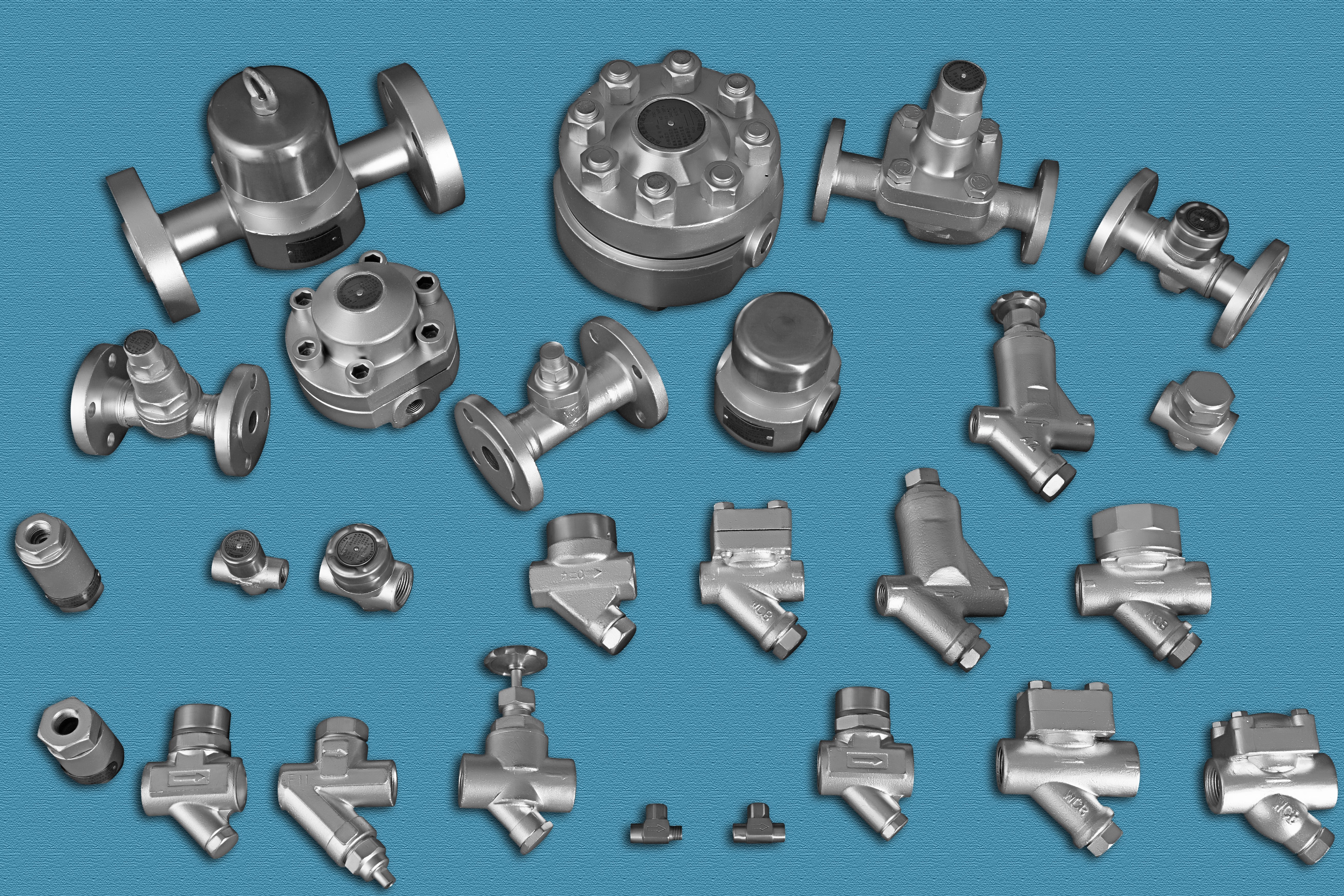
Hot-motive Force Steam Trap
Thermodynamic steam traps operate on thermodynamic principles and are commonly used in steam heating systems, compressors, and similar equipment to discharge excess condensate. They are suitable for high?temperature and high?pressure applications, offering durability and operational flexibility. When water in the system is heated, its density decreases and vapor forms, creating pressure changes that the trap utilizes to open and release condensate. The trap typically consists of a control valve, a temperature sensor, and a discharge port; when a certain amount of condensate accumulates, the sensor detects the temperature change and actuates the valve to open, allowing automatic drainage.